Choosing the Right Vape Manufacturer: An In-Depth Guide for Retailers
Identifying the most suitable vape producer is vital for retailers looking to excel in a competitive landscape. Quality, protection, and adherence are fundamental priorities. Assessing these aspects can considerably affect buyer fulfillment and business image. Additionally, understanding price models and service provisions provides further insights. As merchants work through these intricacies, identifying the most effective approach becomes essential for lasting achievement. What elements should vendors consider in their decision-making process?
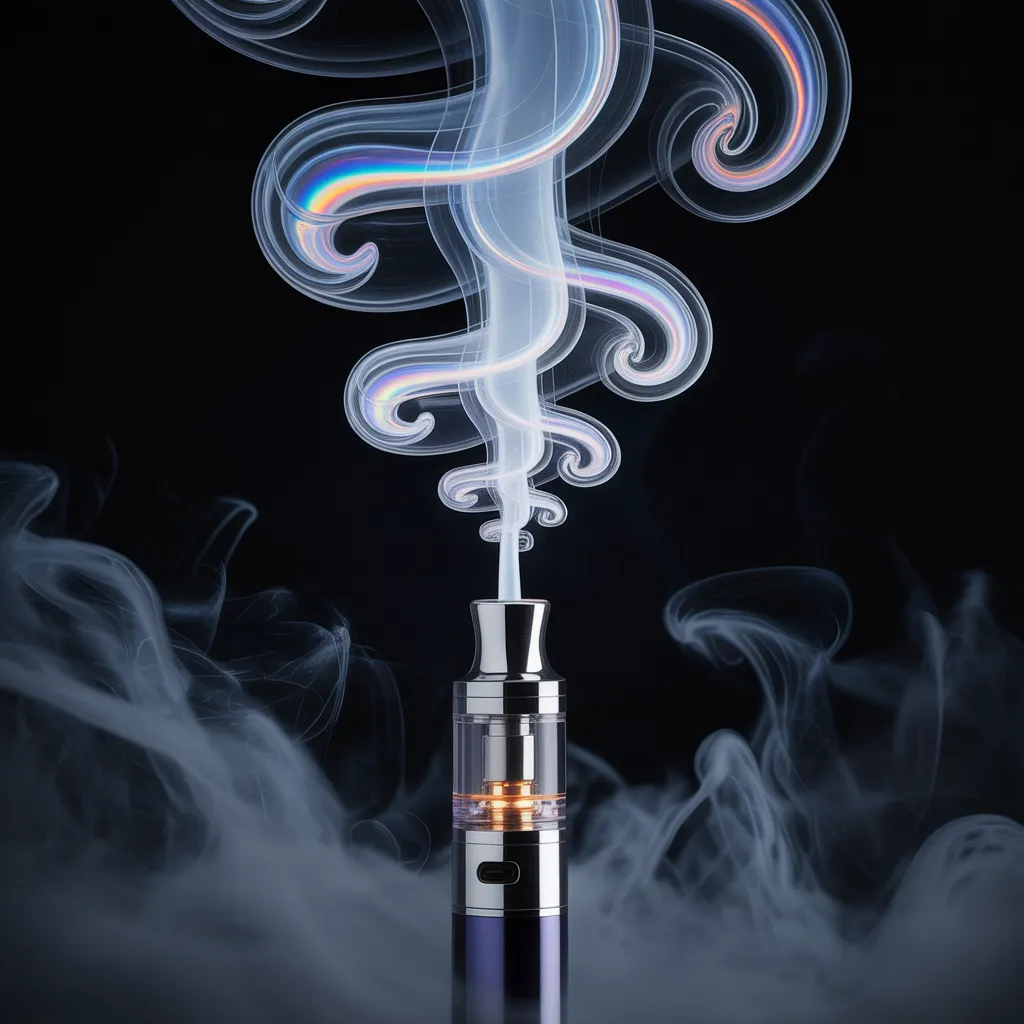
Safety and Quality Standards for Vape Manufacturers
When evaluating a vaping manufacturer, recognizing product quality and safety standards is crucial, as these elements directly affect consumer health and satisfaction. Manufacturers must adhere to rigorous quality control processes to guarantee that their products meet or exceed industry standards. This involves procuring premium-grade materials and performing comprehensive testing on each product batch.
Safety regulations cover various aspects, like the integrity of battery units, the purity of e-liquids, and the absence of toxic impurities. Furthermore, companies should supply detailed labeling, specifying components and possible health concerns.
Independent third-party testing plays a vital role in validating product safety and overall quality. Retailers ought to focus on building relationships with manufacturers who openly provide test results and certifications. By emphasizing these essential factors, retailers can ensure they provide dependable products to their customers, thereby building lasting trust and customer loyalty in a competitive marketplace.
What Compliance Requirements Must Vape Manufacturers Meet?
Regulatory adherence is critical for vape manufacturers operating within a challenging environment of regulations. In numerous regions, they must comply with rigorous requirements set forth by health authorities and government agencies. These requirements often address ingredient formulation, product labeling, marketing practices, and age restrictions for consumers.
Manufacturers are commonly expected to furnish thorough ingredient lists and conform to safety testing standards to confirm the products carry no risks to consumer health. Additionally, many regions impose restrictions on advertising, curtailing the statements that are permitted concerning the products' positive effects.
Moreover, manufacturers need to register with the applicable regulatory bodies and may be subjected to periodic inspections to confirm adherence to industry standards. Failure to adhere to these regulations can lead to substantial penalties, including financial fines and product recalls. Retailers need to confirm that any manufacturer under consideration has a solid understanding of these regulations to mitigate potential legal risks and maintain consumer trust.
A Guide to Evaluating Manufacturer Support Services
Assessing the support services of a manufacturer is a key element in establishing a successful partnership with a manufacturer of vape products. Vape retailers ought to evaluate the availability and promptness of the manufacturer's support team. A trustworthy customer service team can handle inquiries and fix issues promptly, minimizing interruptions to business operations.
Another key consideration concerns the provision of technical support. Manufacturers that offer training and resources can help retailers gain a deeper understanding of product features and troubleshooting. Furthermore, evaluating the warranty and return terms can shed light on the supplier's dedication to quality and client satisfaction.
Communication channels, such as phone, email, or live chat, should be easy to navigate. It is also advisable for retailers to ask about the supplier's methods for addressing defective products or recalls. In summary, robust support systems not only benefit the retailer's day-to-day operations find the facts but also promote enduring cooperation, ensuring that both sides can prosper in the demanding vape marketplace.
Analyzing Pricing Frameworks and Payment Terms for Vape Products
A comprehensive grasp of pricing models and payment conditions is essential for retailers collaborating with vape manufacturers. Retailers need to assess various pricing models, including volume discounts, wholesale pricing, and cost per unit, to identify the most economical choices. Certain manufacturers provide order quantity-driven tiered pricing, incentivizing larger purchases, while others may have fixed prices regardless of order size.
Payment terms may also differ significantly. Typical arrangements include net 30, net 60, or advance payments, which can affect cash flow. Retailers should seek manufacturers that provide flexible payment arrangements, potentially including credit terms or installment options, to better manage their finances.
Furthermore, being aware of various hidden fees, such as shipping costs or restocking fees, is crucial. By closely evaluating these considerations, retailers can reach informed conclusions, guaranteeing they align their purchasing strategies with their business objectives.
Examining Manufacturer Reputation and Industry Experience
A critical aspect in choosing a vape supplier is their standing and expertise in the field. A producer with a solid reputation generally demonstrates a background of high-quality products and dependable service. Vendors should gather reviews, testimonials, and case studies to gauge customer satisfaction and product performance. In addition, years of experience in the industry carry considerable weight; suppliers with extensive time in the industry commonly hold the insight to navigate regulatory challenges and adapt to changing trends.
Engagement in professional gatherings and partnerships with well-regarded associations can further enhance a manufacturer's credibility. Retailers should also evaluate the manufacturer's history in addressing market needs and pioneering new developments. A reputable manufacturer is expected to offer stronger backing and reliability, ensuring a more seamless partnership. In conclusion, evaluating reputation and experience is essential for retailers looking to establish a successful vape product line.